Why More Prairie Growers Are Taking a Second Look at Fall Rye
Friday, August 7, 2026
Reference: Sponsored Article

Every summer, there comes a point when driving across the Prairies and one crop seems to grab attention before anything else.
It's hybrid fall rye.
Long before many spring-seeded crops begin to fill in, rye stands out. It's vigorous. It's uniform. It has a presence that makes one slow down and take a second look.
Over the past few years, we’ve had countless conversations with growers about why they're adding fall rye to their rotation. While every farm is different, the reasons they give are remarkably similar: they want to spread workload, reduce weather risk, and grow a crop that consistently performs.
That's exactly why varieties like SU Performer continue to gain momentum across Western Canada.
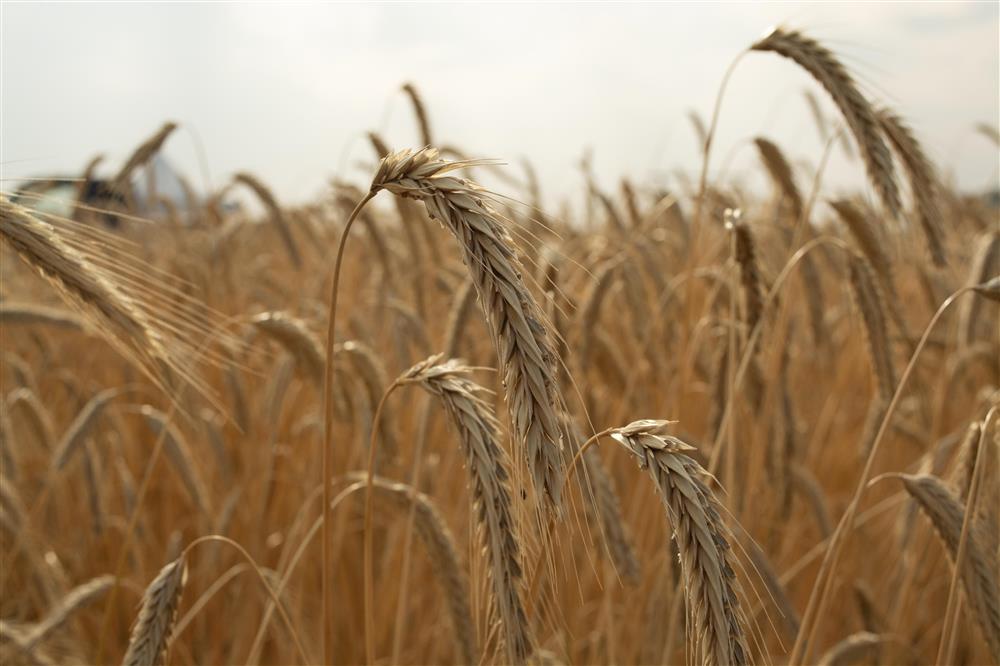
Performance Visibly seen
One of the first things growers notice about SU Performer isn't at harvest, it's in the fall.Its exceptional fall vigor allows it to establish quickly after seeding, and when spring arrives, it jumps out of dormancy with equally impressive growth. Whether you're scouting fields or simply driving down a highway, it often stands out from everything around it.
That strong establishment isn't just visually impressive,….. it sets the crop up for success.
Then comes harvest. After the challenging harvest conditions many growers experienced last year, standability became one of the biggest talking points. When storms, wind or heavy rainfall arrive late in the season, every producer wants a crop that's still standing when the combine rolls.
That's where SU Performer has continued to build its reputation.
Strong standability, excellent harvestability and consistently high yield potential have made it one of the most trusted hybrid rye choices on the Prairies.
A Crop That Works With Prairie Weather….Not Against It
If there's one thing farming teaches us every year, it's that weather refuses to follow the script.Some springs are dry. Others seem to never stop raining.
What is appreciated about fall rye is that it gives growers another way to manage that uncertainty.
Because it's planted in late August or early September, the crop is already established before winter. In a dry spring, it takes advantage of moisture that's already in the soil while spring crops are still waiting to be seeded. In a wet spring, it's already growing while equipment may still be parked in the yard.
We've seen this play out across Western Canada.
Just a couple of seasons ago, parts of Manitoba's Interlake region were so wet that many growers struggled to seed spring crops. The fields that already had hybrid rye established still produced outstanding yields….proof that having a fall-seeded crop can help reduce weather-related risk.Fast forward to this season, and parts of the Prairies are once again dealing with excessive rainfall and unseeded acres.
For many growers looking ahead, that opens another opportunity.
Ground that couldn't be seeded this spring may become an excellent candidate for fall rye later this summer. Rather than leaving those acres idle, growers have the opportunity to establish a productive crop while helping utilize excess moisture heading into next season.
As farms continue to grow larger, many producers also appreciate how fall rye naturally spreads the workload.
- Harvest begins earlier.
- Seeding happens before spring.
Talking Ergot
No conversation about rye is complete without someone asking about ergot. It's understandable. For years, ergot has been one of the biggest concerns surrounding rye production. What surprises many growers is that variety selection is only one small part of the equation.Environment plays the largest role at 70%, with management practices also having a significant influence at 20%. The variety itself is 10% of the equation.
Hybrid rye actually offers an advantage through rapid and uniform pollination. The faster pollination occurs, the smaller the window for ergot infection.
However, Mother Nature still has the final say.
Heavy rainfall during pollination can wash pollen from the air, increasing the likelihood of ergot development regardless of variety. While weather can't be controlled, growers can stack the odds in their favour by choosing well-drained fields, targeting even emergence, using proper seeding rates and encouraging uniform flowering across the field.
Good management won't eliminate environmental risk, but it certainly helps reduce it.
Introducing SU Bebop: A New Option for Growers
While SU Performer continues to earn its reputation, we’re equally excited about another addition to our fall rye lineup.This being, SU Bebop.

This new Premium Rye offers something we've been missing. For some growers, making the jump from conventional rye directly into hybrid rye can feel like a big leap.
SU Bebop helps bridge that gap.
Think of it as sitting comfortably between traditional conventional rye and full hybrid rye. It delivers significantly more yield potential than conventional varieties while requiring a smaller investment than hybrid seed. For growers who have been curious about rye but weren't quite ready to commit to hybrids, SU Bebop creates a practical entry point.
It's an attractive variety with excellent standability, impressive yield potential and the kind of performance that gives growers confidence to explore what fall rye can offer. Sometimes the best innovations aren't about replacing everything, they're about creating another option that fits different farms and different management styles.
That's exactly what SU Bebop brings to the table.
The Future of Fall Rye
Interest in fall rye continues to grow…..and for good reason.Today's Prairie farms are managing larger acreages, navigating increasingly unpredictable weather and looking for ways to improve efficiency without sacrificing profitability.
Fall rye checks many of those boxes.
Whether it's the proven performance of SU Performer or the exciting new opportunity offered by SU Bebop, growers have more options than ever before.
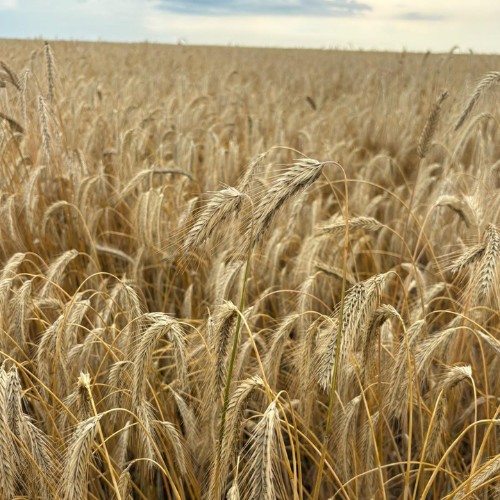
FP Genetics, has always believed success starts with matching the right genetics to the right farm. This helps Farming WIN!
As more producers discover what modern fall rye can deliver, we'll continue seeing more green fields every autumn…….and more combines rolling through standing rye every summer.
Learn more about how modern fall rye is helping Prairie growers spread workload, manage weather risk, and maximize yield potential.