
Financing the family farm for the future
Monday, September 21, 2026
Reference: Sponsored Article

Synopsis
Constructing a healthy balance sheet for your family farm is the best way to ensure a solid foundation of success for generations to come. But understanding what that looks like, specifically your debt-to-equity ratio, is key to planning ahead and safeguarding your hard work.Farmers across Canada have more on their plates today than they did last year. Whether it’s a turbulent economy, rising costs, or unpredictable weather, it often seems there’s too much to plan for and not enough time to do it.
Thankfully, when it comes to the future of your family farm, there are many steps you can take to solidify its success. One of these steps is to ensure you are aware of the building blocks available to construct a healthy balance sheet that can sustain the volatility of the industry for multiple generations.
As thousands of farming families look towards their future in the next decade, robust and thoughtful planning are vital to combatting uncertainty.
What building blocks are available?
———————
Debt:
A financial obligation that requires repayment of funds plus interest to a financial institution such as loans, mortgage, and lines of credit.
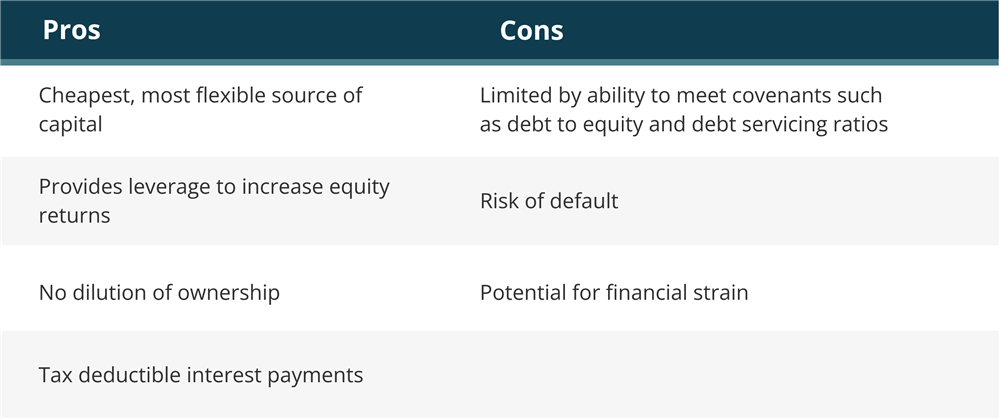
Equity:
The net ownership of your farm after deducting its debt. This could take different forms such as common or preferred shares.
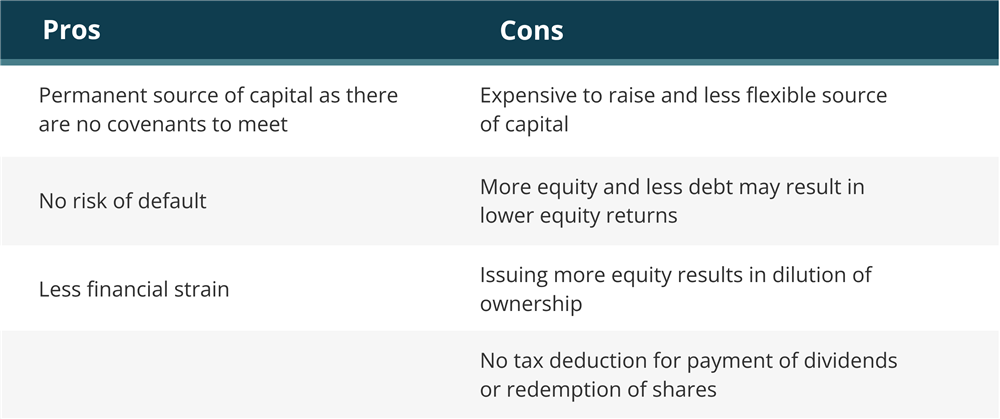
When building the financial structure of your farm, it’s important to use both debt and equity so that it can:
1. Be sustainable during the ups and downs of farming
2. Capitalize on growth opportunities like purchasing land or equipment
3. Provide liquidity when transitioning between generations
Factors to consider when planning ahead
———————
How to manage debt
The optimal amount of debt will be different for each farm, however, there are some golden rules that can provide guidance.
In a capital intensive and low margin business like farming, the amount of debt that a farm can borrow is usually limited by its debt servicing capacity. If the assets being purchased have a rate of return that is similar to the current interest rate on debt, the farm must compensate by having a larger amount of equity. The key to maximizing debt levels is to ensure that your bank understands your financial situation. This will include having accurate financial information, timely reporting, a robust business plan (including forecasts), and risk mitigation strategies in place.
This can all be managed by:
- Employing a part-time or full-time controller
- Having combined meetings with both accountants and bankers to ensure everyone is on the same page
- Spending time on your business plan so that it is accurate and incorporates different risk scenarios and their potential solutions
How to manage equity
———————
Once you have reached the right amount of debt for your farm, the remainder of your capital structure needs are composed of some form of equity. The most common forms of equity are:
Common shares
- Partial ownership of the farm
- Have voting rights
- Participate in profits through dividends and capital gains
- Partial ownership of the farm – fixed to a set amount
- Priority claim to dividends and redemption
- Generally, no voting rights
- No ownership in the farm
- No voting rights
- May be interest bearing
- Repayable on demand
However, it is rare for stakeholders to never need liquidity from their investment. Liquidity events could include paying for personal expenses or assets, redeploying capital into a different business, or equalizing estates when farms transition between generations or experience family breakups. Incorporating characteristics of liquidity, like dividends or redemption features into equity instruments, becomes more important in these situations.
Another consideration is differentiating between ownership and operations when it comes to family involvement. If families want to keep the farm going at its current size, it’s important to address the future capital structure because increased debt from a conventional bank may not be enough to facilitate this.
Some examples of how to keep the farm together while providing for non-farming owners include:
- Land owned by non-farming family with rights of first refusal and long-term leases in place to ensure the farming investors can continue to farm
- Preferred shares owned by non-farming owners that provide an attractive rate of return and liquidity events
- Shareholder loans that pay a reasonable rate of interest and have ability to obtain liquidity at agreed times to non-farming owners
Quasi-equity alternatives
In addition to the equity alternatives discussed, here are some you may not have considered:
- Strategic partners: A recent trend for farms to continue to grow that involves the use of joint ventures or partnerships. The objective in entering into these types of arrangements with other farms is to access opportunities to ensure fixed costs are amortized over increased acres. The economies of scale of larger farms acting together can reduce risk and enable you to capitalize on bigger and more strategic opportunities.
- Financial partners: Entities like AreaOne and pension funds are becoming more prevalent in farmland ownership. Entering into arrangements with entities that have no interest in farming may be a way to continue growing your farm without increasing debt or equity.
- Philanthropic partners: If the older generation still wants the family farm to stay together but there is too much value to leave any one family member or generation, consider setting up a private foundation to hold land. This will provide future generations the ability to continue farming without leaving all the value to the current generation.
You don’t have to make all these decisions on your own. MNP’s team of agriculture experts can help you find the solution that best suits your unique needs. To learn more, contact your local advisor and visit our site.
Learn more about MNP agriculture.
www.mnp.ca

www.mnp.ca